Math
Explore films and collections about this subject.
Recommended

This video, published by the "Up and Atom" channel on June 11, 2020, explores Aristotle's Wheel Paradox. The video begins by explaining the paradox, which involves two wheels of different sizes traveling the same distance in one full rotation, a concept that puzzled mathematicians and philosophers for centuries.
WatchAristotle's Wheel Paradox - To Infinity and Beyond
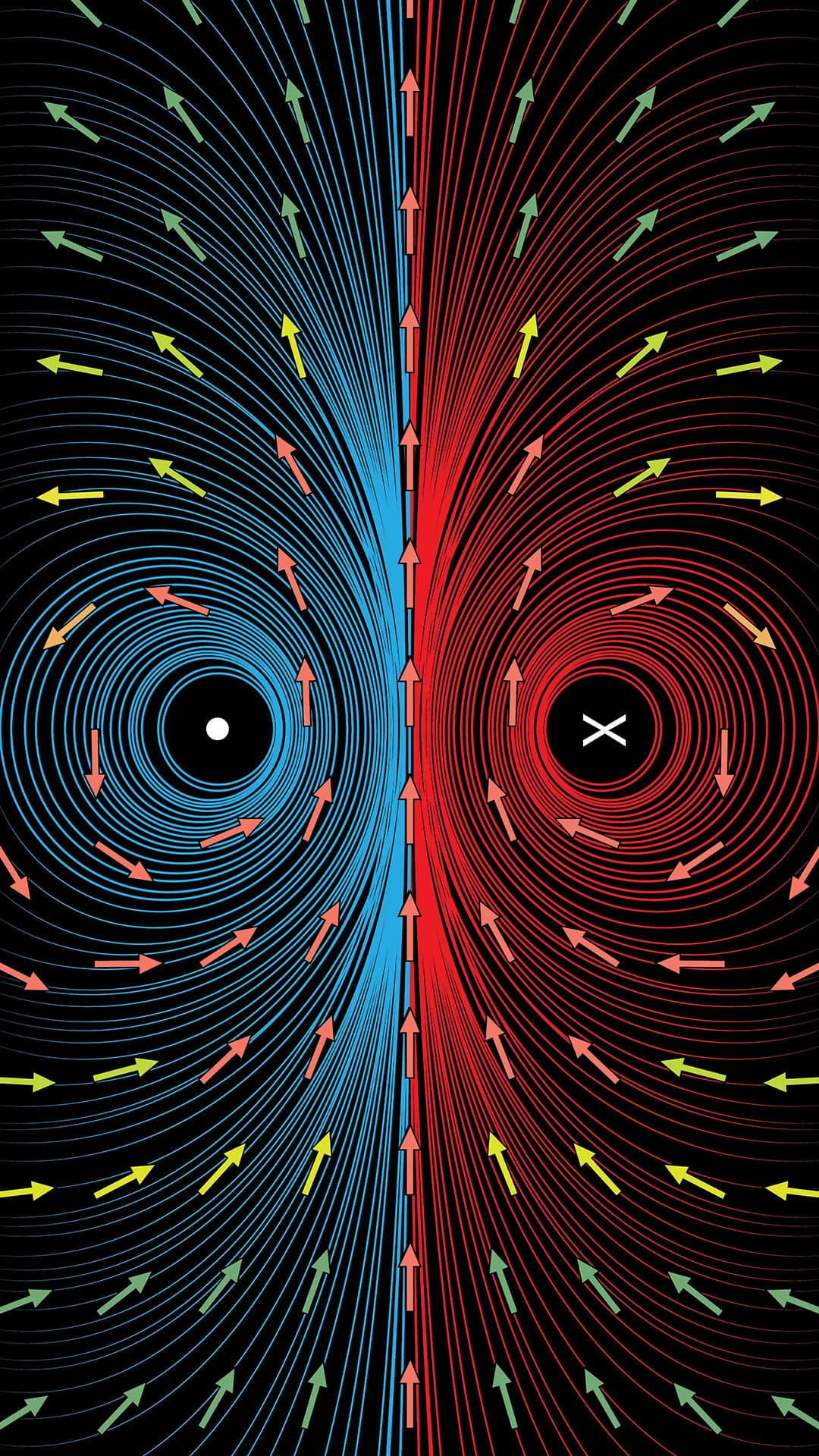
Vector Fields: These are functions associating each point in space with a vector, which could represent various physical quantities like particle velocities or gravitational forces. We mainly focus on two-dimensional fields for simplicity. Interpreting Vector Fields: It can be helpful to understand a vector field by imagining it representing a different physical phenomenon. Divergence: This is a measure of how much a hypothetical fluid represented by the vector field tends to flow in or out of small regions near a point. Positive divergence signifies a source, while negative signifies a sink. Incompressible fluids have zero divergence everywhere. Curl: This measures the tendency of the hypothetical fluid to rotate around a point. Clockwise rotation signifies positive curl, and counterclockwise signifies negative curl. Applications: Divergence and curl are important for fields like electricity and magnetism, as exemplified in Maxwell's equations. Notation and Computation: Divergence and curl are often expressed using dot and cross products with the nabla (gradient) operator. This notation reflects a real connection between these operations. Dot and Cross Product Relation: Divergence can be seen as an average value of the dot product of a step vector with the difference vector caused by that step, while curl is an average of the cross product of the step vector and the difference vector. These concepts play a crucial role in physics, engineering, and related fields, especially when applied to physical phenomena and differential equations.
WatchDivergence and Curl - The language of Maxwell's equations, Fluid flow, and more
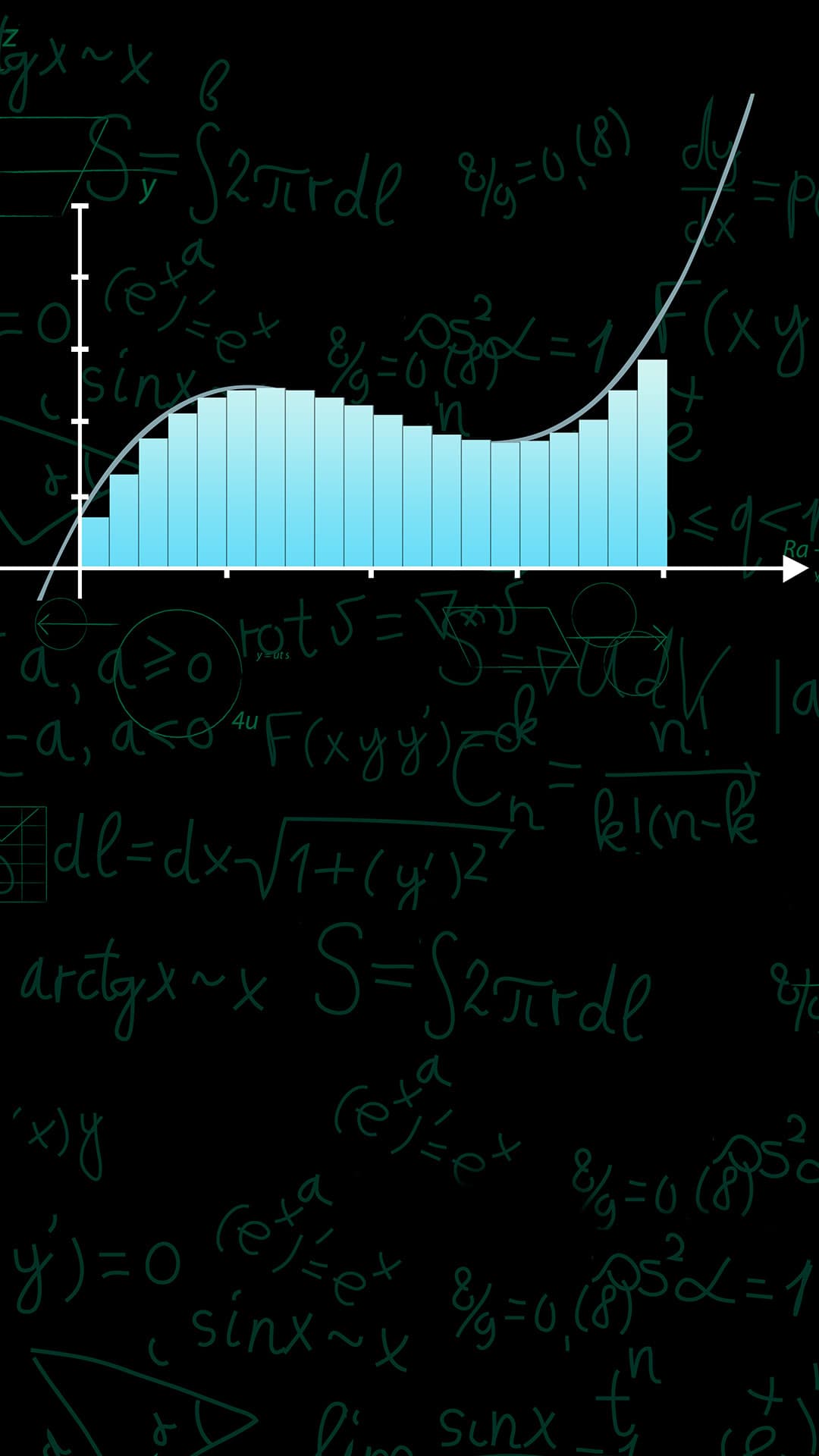
In this first video of the series, we see how unraveling the nuances of a simple geometry question can lead to integrals, derivatives, and the fundamental theorem of calculus.
WatchChapter 1 - The Essence of Calculus
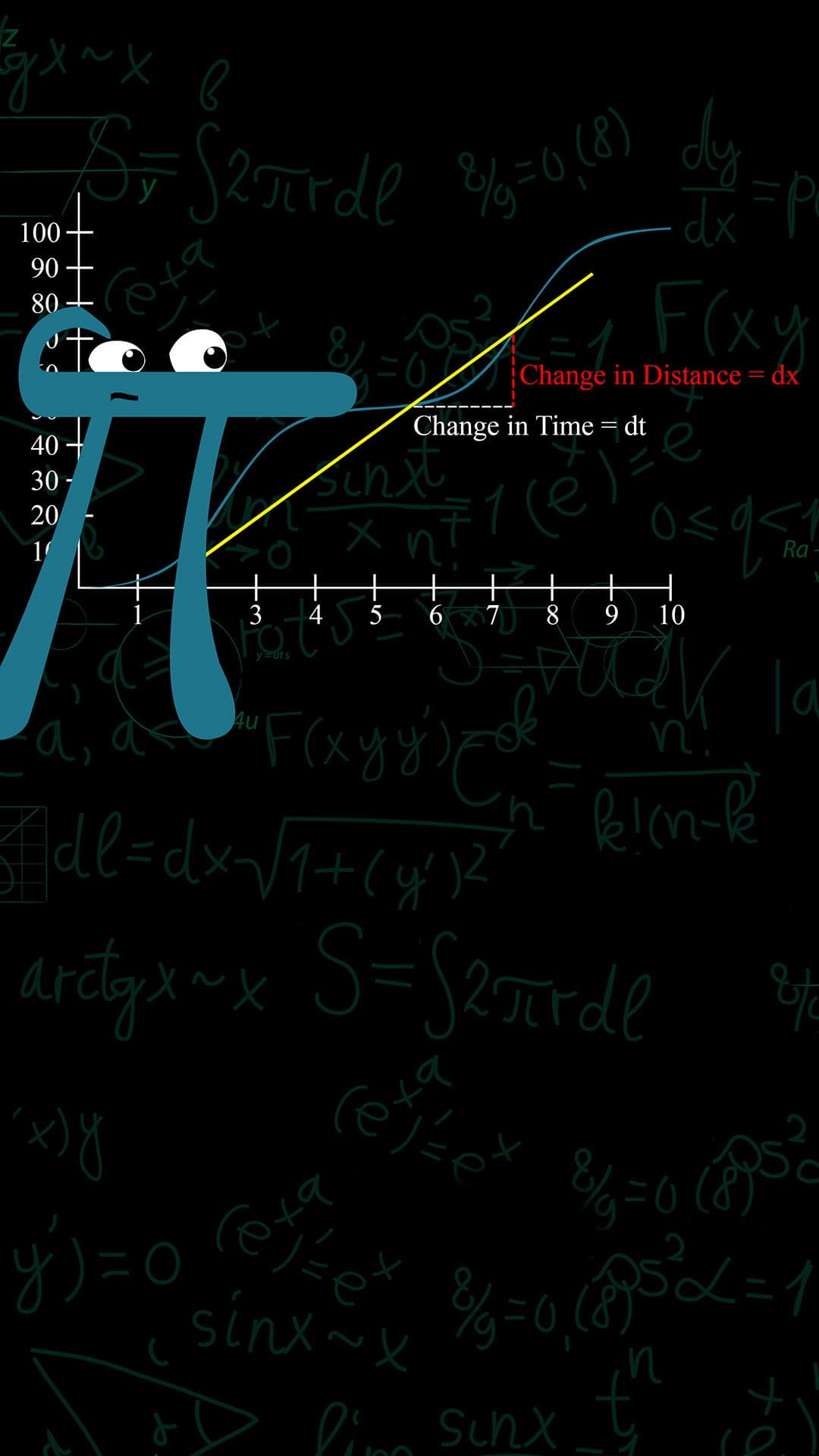
Despite using the phrase "instantaneous rate of change", the derivative does not really measure the speed of an object at a particular moment in time. Instead, it measures the rate at which the distance is changing as we approach a particular moment in time, not at the moment itself. The concept of the derivative can be visualized as the slope of a tangent line to the function at a given point, which gives us the best linear approximation for the function at that point.
WatchChapter 2 - The paradox of the derivative

تازه ها
 17:33
17:33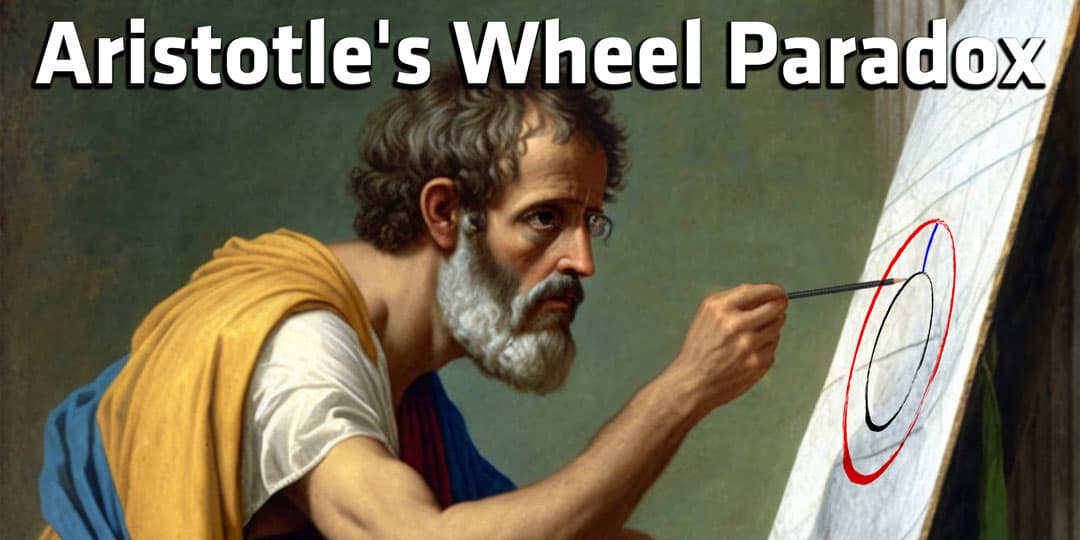 11:42
11:42 14:25
14:25 22:19
22:19 5:38
5:38 12:38
12:38 20:45
20:45 18:26
18:26 15:33
15:33 13:49
13:49Essence of Calculus
 15:55
15:551 page loaded